The Empty Porch Problem: A 2026 Field Guide to Late, Broken, and Swapped Giveaway Prizes
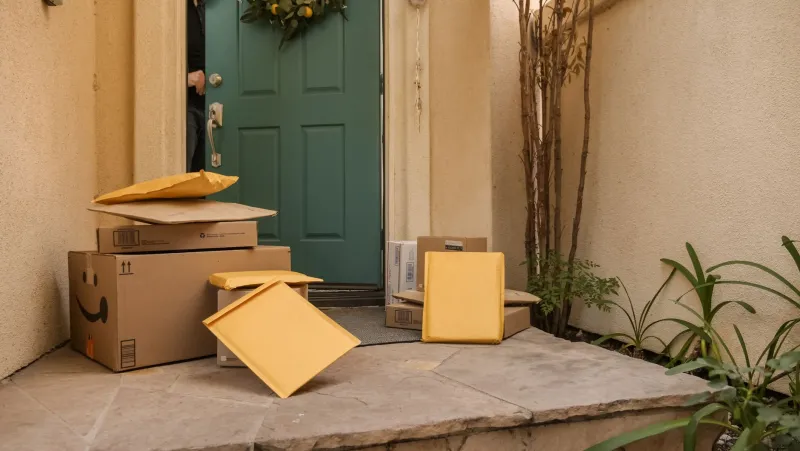
Your prize was supposed to arrive in six to eight weeks. It has been twelve. The tracking number is fake, the box came crushed, or the thing on your porch is not what you won. First, take a breath. A missing giveaway prize is annoying, but it is also a paperwork problem, and paperwork problems have steps.
This is the ToolWin recovery playbook for US winners in 2026. It covers late prizes, damaged prizes, swapped prizes, and the point where a polite email should become a formal complaint.
Step 1: Freeze the facts before you send another email
You need a paper trail that a stranger can understand in thirty seconds. Create a folder, digital or physical, and put these in it:
- The original win notification and any claim form you submitted.
- The official rules page, saved as a PDF with the date you saved it.
- A screenshot of the prize description and approximate retail value.
- The entry confirmation, if you have it.
- Every email you have exchanged with the sponsor, including headers if possible.
- The promised fulfillment window and the date it expired.
Write one short timeline at the top. Date you won. Date you claimed. Date the rules said the prize would arrive. Date you followed up. This timeline will do more for you than a long angry message.
Step 2: Check the rules for the sponsor's actual promise
Giveaway rules are not decoration. They set the fulfillment timeline, the prize description, and whether the sponsor can substitute something else. Read the section on prize delivery and substitution before you accuse anyone of anything.
Many US sweepstakes rules say the prize will be fulfilled within a set number of weeks after winner confirmation. Some say the sponsor may substitute a prize of equal or greater value if the original is unavailable. That clause matters. If it is there, a substitute is allowed. If it is not there, the sponsor has a weaker case for sending you a cheaper item and calling it even.
Also check whether the prize includes shipping, taxes, or fees. A legitimate sponsor may ask you to complete a tax form for a larger prize, but it should not ask you to pay a fee to release a prize by gift card or wire. That is a scam pattern, not a fulfillment delay.
Step 3: Start with a calm status check
Your first email should assume the prize is late, not stolen. Keep it short. Include your full name, the promotion name, the date you won, and the prize you are expecting. Ask for a status update and a new estimated delivery date. Do not attach your Social Security number or bank details to a routine status email.
Here is a template you can adapt:
Subject: Status request for [promotion name] prize
Hello [contact name],
I won [prize] in [promotion name] on [date] and completed the claim form on [date]. The official rules list fulfillment within [number] weeks, and that window ended on [date]. Could you confirm the prize status and provide a tracking number or a new delivery estimate?
Thank you, [your name] [your entry email] [phone number]
Send it from the email address you used to enter. Reply to the original thread if you have one. Save the sent message.
Step 4: Escalate on a schedule, not on emotion
Give the sponsor a reasonable window to answer. Five to seven business days is fair for a first follow-up. If you hear nothing, reply again and ask for a supervisor or the fulfillment partner. Keep the tone flat and factual. You are building a record, not winning a debate.
After two unanswered follow-ups, send a formal notice. State the facts, the rule language, and what you want: the prize, a tracking number, or a written explanation. Give a deadline, such as ten business days. Mention that you will contact your state attorney general or the FTC if the issue is not resolved. Then actually do it if the deadline passes.
Step 5: Handle damaged and missing deliveries correctly
If the box arrives damaged, photograph everything before you throw anything away. Take pictures of the outer box, the shipping label, the packing material, and the damaged prize. Keep the packaging. File a claim with the carrier if the shipment was insured. Send the photos to the sponsor the same day and ask how they want to proceed.
If tracking says delivered but nothing is there, check with neighbors and your building office first. Then file a missing-package claim with the carrier. Ask the sponsor for the shipping details and whether the shipment was insured. If the carrier confirms delivery to the wrong address, the sponsor or the fulfillment company usually needs to file the claim because they are the shipper.
When a substitute prize is allowed
A substitute prize is not automatically a scam. It depends on the rules. If the official rules say the sponsor may substitute a prize of equal or greater value, they can do that. If the rules are silent, push back in writing. Ask for the original prize or a substitute of comparable value. If the sponsor sends something much cheaper, say so plainly and cite the prize description and approximate retail value from the rules.
Do not accept a substitute just because it arrives. You can accept delivery and still dispute the value. Keep the item unused if you plan to argue that it does not satisfy the rules.
When to bring in the FTC, a state attorney general, or the carrier
The FTC handles reports of deceptive practices at ReportFraud.ftc.gov. It does not resolve individual cases, but reports help build patterns. Your state attorney general's consumer protection office can sometimes mediate. The USPS Postal Inspection Service handles mail fraud if the prize came through the mail with deceptive intent. The carrier handles shipping damage and lost-package claims.
For a high-value prize, small claims court is an option in many states. The limit varies, so check your local court. Bring your timeline, the rules, and every email. This is not legal advice, but it is a practical map.
A simple timeline to keep
Day 0: Prize due date passes. Send a status email. Day 7: No reply. Follow up and ask for a supervisor. Day 14: Still no answer. Send a formal notice with a ten-business-day deadline. Day 24: Deadline passes. File a complaint with the FTC and your state attorney general. Day 30: Consider small claims court if the prize value justifies it.
Most late prizes are just late. A few are badly handled. A smaller number are deceptive. The difference is usually in the paperwork, and the winner who keeps clean records is the one who gets a real answer.