Who Really Sent That Prize DM? A 2026 Verification Routine for Instagram, TikTok, and Discord
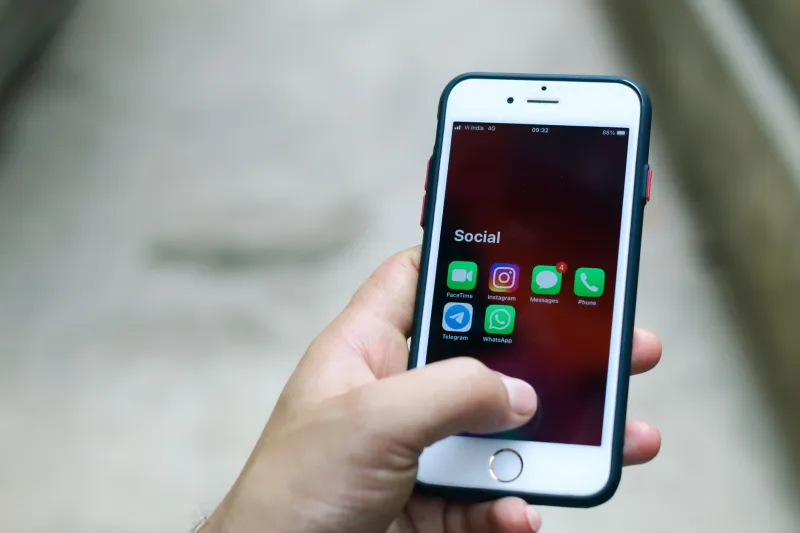
Prize notifications used to arrive by email. Now they land in Instagram DMs, TikTok comments that spill into messages, and Discord servers with names like 'Official Giveaway Hub.' The shift makes sense for scammers: social platforms feel personal, replies are instant, and a lookalike handle can borrow credibility from a brand in about ten seconds.
The good news is that verification is not complicated. It is just a routine. Here is the one I use for ToolWin readers in the US—built for the way these messages actually show up in 2026.
Why DMs Are the Scam's Favorite Front Door
A direct message skips the context clues. You do not see the sponsor's website, the rules page, or the official giveaway post. You see a friendly logo, a congratulatory sentence, and a deadline. Scammers add urgency—'claim in 24 hours'—and a small request. Sometimes it is a shipping fee. Sometimes it is a screenshot of your ID. Sometimes it is just a click.
The platform is not the problem. The missing verification step is. Treat a prize DM like a stranger at your door: polite is fine, but you are not handing over your wallet until you know who is on the other side.
Red Flags That Should Stop You Cold
These are the patterns I see most often:
- The handle is almost right. Real brands do not usually run prize claims from accounts like @nike.prize.team or @official_giveaway_center_2026.
- The message asks you to move to another platform immediately. 'DM our claims agent on WhatsApp' is a classic redirect.
- Payment comes before the prize. Gift cards, Zelle, Cash App, crypto, or a 'refundable' shipping fee are all reasons to stop.
- The sender wants sensitive data in the chat. Full Social Security number, bank login, password, or two-factor code should never be typed into a DM.
- The rules do not match. The message says you won a $500 gift card; the sponsor's rules say the prize is a $50 code or that the giveaway ended two weeks ago.
- The account has no history. A brand-new profile with three posts, a logo, and a link-in-bio is not proof of anything.
- The screenshot is the proof. Scammers love sending fake screenshots of official pages. Open the page yourself instead.
Step One: Check the Sponsor's Official Domain
Do not click the link in the message first. Open a browser and type the sponsor's known domain directly. For example, if the message claims to be from a major retailer, go to the retailer's site and search for the giveaway name. Look for a rules page or an official announcement.
A secure lock icon is not enough. Anyone can buy a certificate. What matters is the domain itself: is it the brand's real domain, or a lookalike with an extra dash, a different ending, or a subdomain that sounds official but is not? If the sponsor's site has no mention of the giveaway, assume the DM is fiction until proven otherwise.
Step Two: Match the Message to the Rules
Legitimate giveaways have rules. Find them. The rules should tell you the entry period, eligibility, prize description, approximate retail value, and—most importantly—how winners are notified. If the rules say winners are contacted by email from the sponsor's domain, a DM from a random account is not the official process.
Check the dates too. A common trick is to revive an old giveaway and message people after it closed. If the rules show a winner notification date that has passed, ask why a new message is arriving now. The answer is usually not good.
Step Three: Inspect the Account, Not the Logo
Profile pictures are free. Follower counts can be bought. What you want is history and consistency. Does the account post about the brand's actual products? Do other people tag it? Is the link in the bio pointing to the brand's real domain or a redirect? On Instagram and TikTok, look for the account creation date if it is visible. On Discord, check whether the sender has a staff role in an official server or is just a random member sliding into your DMs.
Verification badges help, but they are not a magic spell. Scammers impersonate verified brands and sometimes buy compromised accounts. Use the badge as one clue, not the whole case.
The Screenshot Checklist
Before you reply, report, or delete, capture the evidence. Save these in a folder you can find later:
- The full message thread, including timestamps.
- The sender's profile URL and handle, not just the display name.
- Any payment request, link, or file attachment.
- The sponsor's official rules page, if you can find one.
- A screenshot of the account's bio and recent posts.
Do not rely on a screenshot the sender provides. Your own capture is the record. If you later need to report the account or dispute a charge, this folder does the talking.
Use a Safe Contact Channel
If the message looks plausible, do not continue in the DM. Go to the sponsor's official website and use the contact form or the email address listed in the site's footer. Ask a simple question: 'I received a prize notification on social media. Can you confirm the giveaway and the official winner notification method?' A real sponsor can answer that. A scammer cannot.
Never call a phone number from the DM. Look up the number on the official site. Never send documents to an address from the chat. Use the channel the sponsor publishes, not the one the stranger supplies.
Reply, Report, or Walk Away?
Here is the simple decision tree I use:
- If the sponsor's official domain has no giveaway and no rules: walk away. Do not reply.
- If the rules exist but the message asks for payment, gift cards, crypto, or your SSN: report and block.
- If the account is new, the handle is a lookalike, or the sender wants to move to WhatsApp: report and block.
- If everything checks out but you are still unsure: contact the sponsor through its official channel before sharing anything.
- If the sponsor confirms the win and gives you a safe next step: follow that step. Never pay through a DM.
Reporting matters. Use the platform's report flow for impersonation or scam, and file a complaint with the FTC at ReportFraud.ftc.gov. If you shared financial information, call your bank. If you shared your Social Security number, visit IdentityTheft.gov and consider a credit freeze.
If You Already Clicked
It happens. Do not panic—act. Change the password on the affected account, turn on two-factor authentication, and check for unfamiliar login sessions. If you entered payment details, call your card issuer and ask for a replacement card. If you downloaded a file, run a security scan and watch for strange account activity. The faster you move, the less room the scammer has.
The Bottom Line
A prize DM is not a prize until you verify it. Check the domain, match the rules, inspect the account, and move the conversation to a channel the sponsor actually controls. Scammers depend on speed and secrecy. A slow, boring verification routine is the best way to ruin their day.