Your Phone Thinks Your Prize Is a Scammer: A 2026 Caller-ID Survival Setup
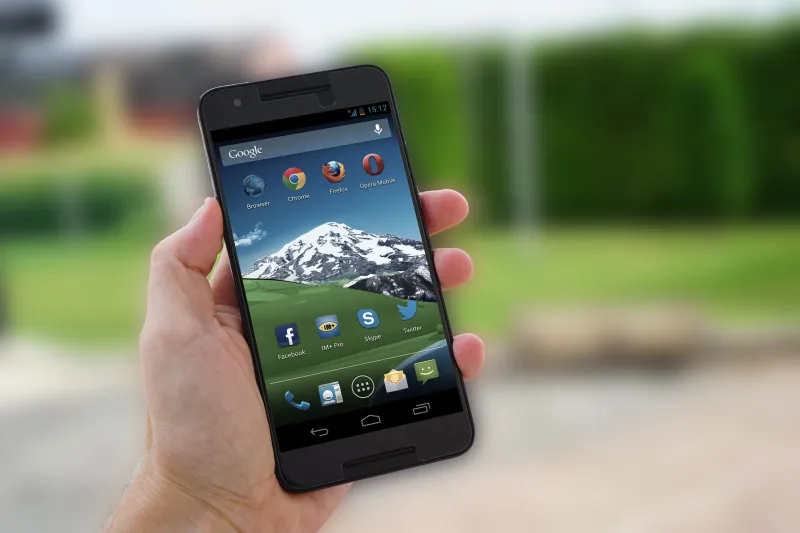
Photo: smartphone call screening unknown caller voicemail screen on desk, via images.pexels.com
Most giveaway advice obsesses over the entry form. But the entry form is not where a win usually lands. The win lands on your phone: a call from an unknown area code, a text from a short code, or a voicemail transcript that your carrier has already marked as suspected spam. In 2026, that is a messy place to be.
Carriers and phone makers have gotten better at filtering junk. That is good news for your sanity and bad news for anyone waiting on a prize call from a fulfillment agency nobody has heard of. The goal is not to turn off every protection and hope for the best. The goal is to build a phone setup where legitimate prize contact has a clear path to you, while obvious scams still hit a wall.
Why a real prize call can look fake
A prize notification often comes from a number you do not recognize. It may be a promotions agency, a fulfillment vendor, a local radio station, or a short code. Caller ID might show a company name, a generic city, or nothing useful at all. Your carrier may add a spam-risk label. Your phone may silence the call because the number is not in your contacts.
Meanwhile, actual scammers borrow the same tactics. They spoof numbers, send shortened links, and claim you won something you never entered. So the answer is not to trust every unknown call. The answer is to make verification easy and repeatable.
Give the giveaway world its own number
The cleanest move is a secondary US number that you use only for sweepstakes and giveaways. Google Voice, a prepaid eSIM, your carrier's second-line feature, or a low-cost VoIP number can all work. Use that number on entry forms, keep it out of your banking and primary email recovery, and check it on a schedule.
This does two things. First, it keeps giveaway calls and texts away from your main line. Second, it gives you a place to expect unknown contact. A missed call on your giveaway number is not automatically alarming. A missed call on your personal number from an unknown number can stay suspicious.
Before you switch, check the official rules. Some promotions require a specific phone number or allow only one entry per person. Do not create duplicate entries or use multiple numbers to game a sweepstakes. The point is organization, not rule-breaking.
Build a trust lane, not a free-for-all
It is tempting to disable spam filtering during a giveaway. Do not do that. Instead, adjust the exceptions.
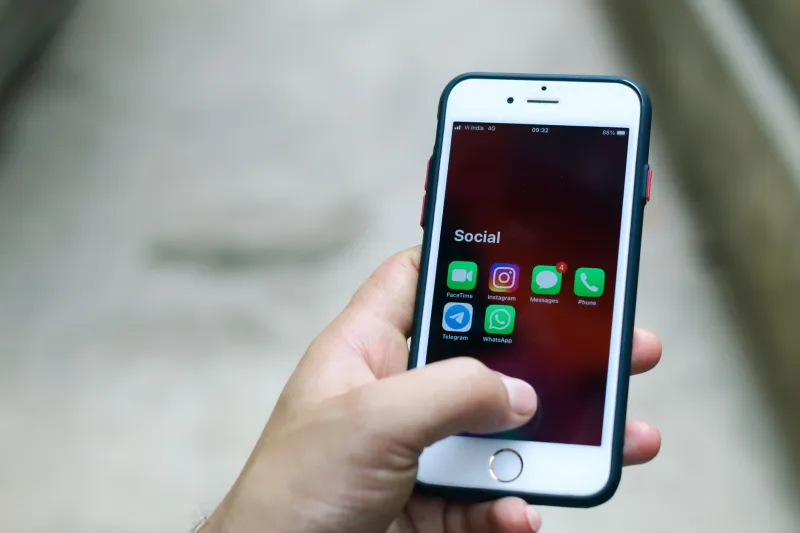
On iPhone, look at Silence Unknown Callers, Focus modes, and Live Voicemail. If Silence Unknown Callers is on, unknown numbers go to voicemail. That may be fine if you actually check voicemail and transcripts. On Android, check the Google Phone app's spam and caller ID settings, plus any carrier-level filter. The exact menus vary by device and carrier, so spend ten minutes in your phone settings rather than assuming the defaults are helping.
Create contacts for active giveaways only after you verify the sponsor's official contact information from the rules. Label them clearly, such as Giveaway Watch - Sponsor Name. Add those contacts to favorites if your phone allows favorites to break through Do Not Disturb. Be careful with repeated-call exceptions. A scammer can call twice, too.
The callback test that beats caller ID
If a voicemail or text says you won, do not call the number in the message first. Open the official rules or the sponsor's website, find the contact information published there, and use that. Ask for the prize name, the sponsor, and a prize or claim ID. A real promotion should be able to point you back to the rules and the entry you submitted.
A legitimate sponsor will not ask you to pay a fee, buy a gift card, or send bank details by text to release a prize. It also should not need your Social Security number by text message. If the contact insists on urgency, secrecy, or an unusual payment method, stop. That is not a prize call. That is a scam with a prize-shaped costume.
Make voicemail earn its keep
Voicemail is your backup witness. Record a simple greeting that makes sense for a giveaway line: ask callers to leave the sponsor name, prize, callback number, and any deadline. Turn on voicemail transcripts if your phone or carrier offers them. Keep the mailbox from filling up. A full inbox is a silent entry killer.
When a message looks promising, save the audio and take a screenshot of the transcript. Note the date and time. Short codes and automated systems may not leave voicemail at all, which is why texts deserve their own routine.
Keep a 90-second missed-call ledger
You do not need fancy software. A spreadsheet or notes app with six columns works: date and time, number, caller label, voicemail or text summary, sponsor match, and next action. Check it once a day during an active giveaway window.
When you see a number, search it alongside the sponsor name and the word rules. Look for the number in official rules, sponsor contact pages, or prior prize notifications. An area code that does not match the sponsor is not proof of anything; fulfillment vendors often call from elsewhere. A caller ID label that says Spam Risk is not proof either. The paperwork is the proof.
Set reminders for claim deadlines. Real prizes expire. A missed deadline because a call sat in a filtered folder is still a missed deadline.
Text messages need a cooler head
Do not click shortened links from unknown numbers just because the message uses the word winner. Check the sponsor's official site first. If the text claims to be from a short code, compare it with the rules or the sponsor's published text terms. Screenshot the message before you delete or block it.
Replying STOP to an unknown scam text can confirm that your number is live. For a verified promotion, follow the official opt-out instructions. For an unverified message, block and report instead of chatting.
A 20-minute setup checklist
- Choose a secondary number for giveaway entries and verify it works.
- Update active entries only if the rules allow it.
- Turn on voicemail transcripts and clear old messages.
- Check Silence Unknown Callers, Focus, and carrier spam settings.
- Add verified sponsor contacts for active giveaways.
- Bookmark official rules for each open promotion.
- Create a missed-call and text ledger.
- Write a short verification script for callbacks.
None of this makes you scam-proof. It does something more useful: it gives a real prize call a route to your attention without forcing you to trust every unknown number that rings. Your phone can keep calling prizes spam. Your job is to check the paperwork before you agree.